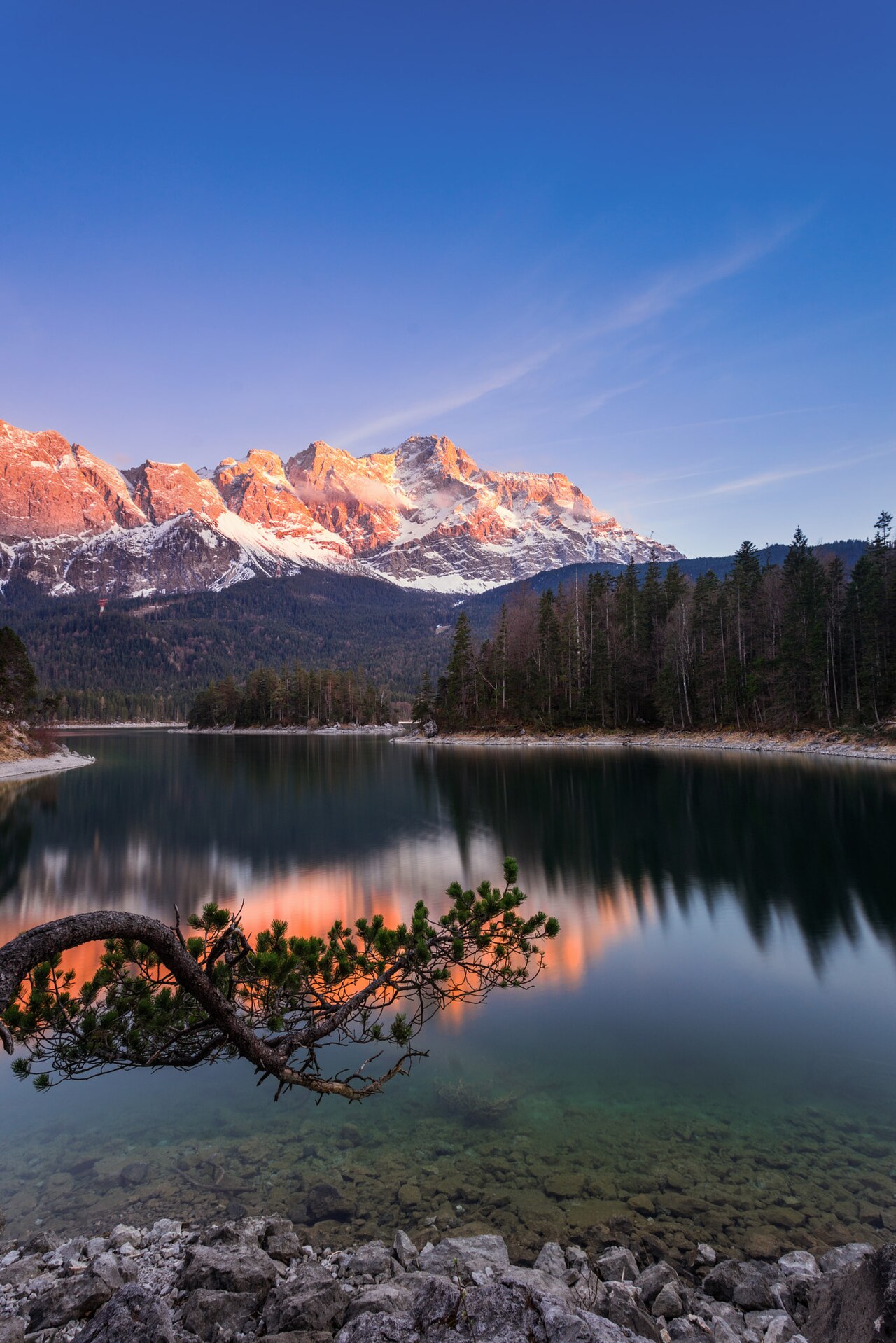
Geology of the Wetterstein
The Wetterstein massif comprises Triassic limestone uplifted during Alpine orogeny. Karst features include caves, dolines and steep north faces popular with alpine climbers.
Glacial cirques and moraines from Pleistocene ice sheets shaped valley floors where Elmau and nearby hamlets sit on outwash terraces.
Limestone dissolution supplies hard water feeding local spa traditions and brewery mineral profiles.
Elmau Valley Settlements
Scattered farms and hamlets historically relied on forestry, dairy and summer alpine grazing (Almwirtschaft). Schloss Elmau's conversion to a cultural retreat exemplifies adaptive reuse of aristocratic estates.
Waymarked trails connect valley floors to alpine pastures; signage follows DAV (German Alpine Club) standards with difficulty grading.
Trail Networks and Access
Long-distance routes including E4 cross the region linking Germany and Austria. Cable cars from Garmisch reduce ascent time to high trails with panoramic views of Zugspitze.
Winter transforms paths to ski touring corridors where avalanche forecasts guide backcountry users.
Related: Zugspitze history and first ascents
Cultural Programming in the Valley
Schloss Elmau hosts literary festivals, classical concerts and political summits — bringing international audiences to a remote alpine setting. Booking calendars mix public events with hotel guest programmes.
Local municipalities coordinate traffic and security during major conferences while preserving access for hikers and residents.
Explore: Cultural and music retreats
Environmental Stewardship
Bavarian Forest and Alpine nature reserves restrict development on steep slopes. Farmers maintain hay meadows supporting butterfly and orchid biodiversity documented in EU habitat surveys.
- Maps: Alpenverein topographic sheets
- Seasons: June–September for high trails; winter for ski areas
- Transport: Regional trains to Garmisch-Partenkirchen